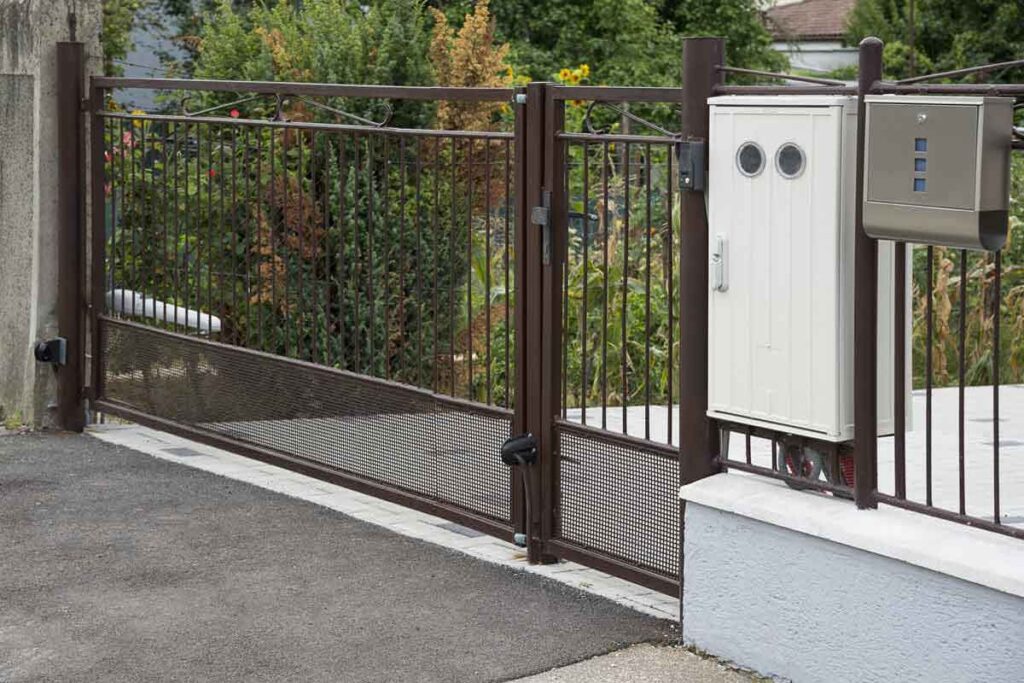
Choosing the right communication system for a property’s entry point is essential for both security and convenience. Whether it’s a residential estate, commercial facility, or an industrial site, the decision between wired and wireless gate intercoms impacts installation costs, long-term reliability, and user experience. As a provider of Gate Intercom Installation and Repair Services, Iron Men Gates has worked with property owners who seek dependable solutions that enhance access control without complicating operations.
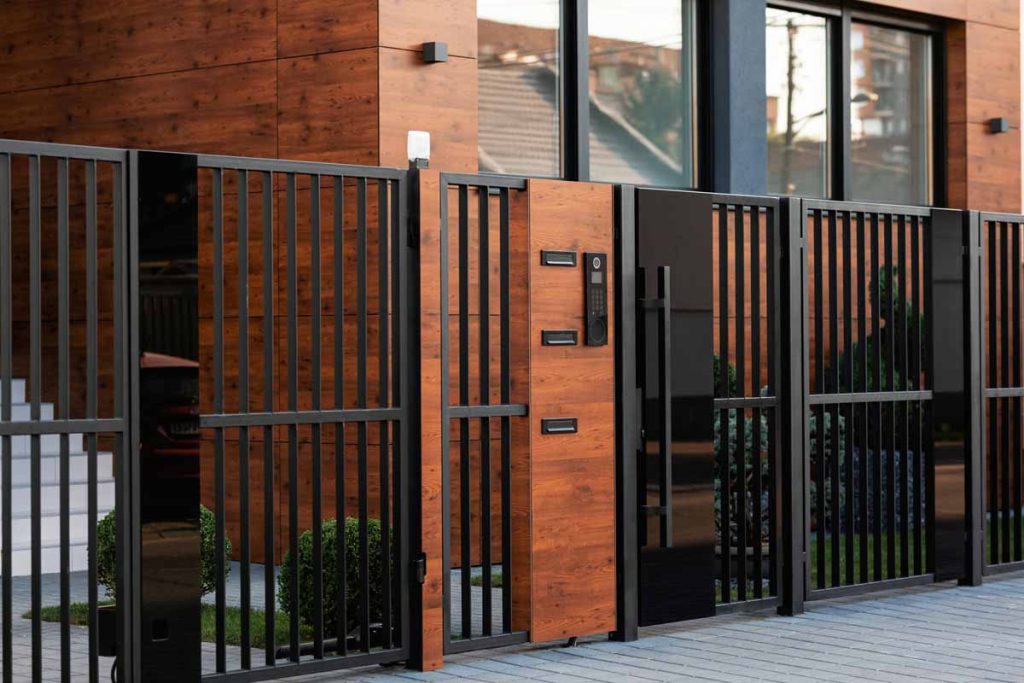
The Core Function of a Gate Intercom System
A gate intercom system facilitates two-way communication between visitors and occupants before granting access. Intercoms may support audio, video, or both. They help verify the identity of a visitor, allow for remote control of the gate, and deter unauthorized access.
Whether a system is wired or wireless, the objective remains the same: to enable fast, secure, and clear communication from the gate to the residence, office, or security post.
Wired Gate Intercom Systems: Built for Stability
Wired systems are physically connected through cables running from the gate unit to indoor stations. These systems have been widely used in commercial and residential properties due to their consistent performance.
Key Advantages of Wired Systems
- Signal Stability: Hardwired connections provide minimal interference and more consistent transmission, especially for video intercoms.
- Reliable Power Supply: Since they’re often hardwired into the building’s power grid, power loss is less likely unless there’s a total outage.
- Integration with Complex Systems: Wired systems easily connect with existing security infrastructures like CCTV, access control panels, and electric strikes.
- Lower Latency: Voice and video transmission is instantaneous, ideal for environments where delays can compromise security.
Disadvantages
- Installation Complexity: Requires trenching, wall penetration, and professional installation.
- Higher Initial Costs: Materials, labor, and time increase the setup cost significantly.
- Lack of Flexibility: Once installed, repositioning or modifying the system is labor-intensive.
Wired systems are typically preferred for new construction or properties where extensive renovations or security upgrades are underway.
Wireless Gate Intercom Systems: Designed for Flexibility
Wireless systems communicate through Wi-Fi, cellular signals, or radio frequencies. These intercoms are often the choice for retrofit applications or sites where running wires is impractical or impossible.
Key Advantages of Wireless Systems
- Ease of Installation: No need for underground wiring, making the setup faster and cleaner.
- Remote Access: Many models allow smartphone connectivity, enabling access control from anywhere.
- Scalable: Easy to add more units or integrate with cloud-based security solutions.
- Cost-Effective in the Short Term: Lower labor and material costs make wireless systems attractive for small to medium-sized properties.
Disadvantages
- Signal Interference: Wi-Fi congestion, building materials, and environmental conditions may cause interruptions.
- Battery Dependency: If not wired to a power supply, wireless units may rely on batteries, needing regular replacement.
- Security Concerns: Wireless networks are vulnerable to hacking if not properly secured.
Wireless intercoms are often preferred for rental properties, temporary installations, and remote sites where wiring is not feasible.
Side-by-Side Feature Comparison
Here’s a breakdown of how both options stack up:
| Feature | Wired Intercom | Wireless Intercom |
|---|---|---|
| Installation Time | Longer (1-3 days) | Shorter (same day possible) |
| Signal Reliability | Very high | Variable (based on network) |
| Video Quality | Consistently clear | May suffer from signal lags |
| Power Source | Mains-powered | Battery or power adapter |
| Maintenance Needs | Low once installed | Higher due to batteries or resets |
| Cost (Initial) | High | Moderate |
| Cost (Long-term) | Lower due to stability | Higher if replacements are frequent |
| Security Integration | Easily integrated | May require custom setups |
| Portability | Fixed | High (mobile device compatible) |
| Recommended For | Permanent structures, high security | Temporary or low-mod infrastructure |
Installation Considerations Before Making a Choice
The decision between wired and wireless should not rely solely on cost. Consider these installation-related factors:
- Property Size and Layout: A wired system may be impractical for large estates or properties with significant landscaping.
- Power Access: Locations without stable power sources may favor wireless, battery-operated units.
- Environmental Factors: Harsh weather or interference-prone areas might affect wireless reliability.
- Access Frequency: For high-traffic commercial gates, a wired system minimizes delays and malfunctions.
- Ownership Status: If you’re renting or may move soon, a portable wireless solution adds flexibility.
Maintenance and Repairs: What Each System Requires
Wired Systems:
- Require less maintenance once installed
- Repairs may involve digging or wall access if wires are damaged
- Long lifespan due to solid-state components
Wireless Systems:
- May need frequent updates or pairing resets
- Battery checks are ongoing
- Interference from new electronic devices may demand troubleshooting
Whichever system is chosen, Gate Intercom Installation and Repair Services ensure that proper setup, calibration, and troubleshooting are handled professionally.
Security Implications: Wired vs. Wireless
Security is non-negotiable for any entry system. Here’s how both systems fare:
- Wired: Less prone to unauthorized access since physical cables are harder to tamper with remotely.
- Wireless: May be at risk if not secured with encryption or strong passwords. Firewalls, secure networks, and encrypted apps reduce risk.
Properly installed systems, regardless of type, remain difficult to compromise. The key is choosing a solution aligned with the threat level and infrastructure.
Smart Integration and Future Expansion
Modern intercom systems, especially wireless ones, offer features like:
- App-based controls
- Facial recognition
- Integration with smart locks
- Motion-triggered cameras
- Cloud storage for visitor logs
Wired systems are catching up with these features via hybrid models that use both cables for power and wireless protocols for connectivity.
For futureproofing, consider systems that allow expansion—adding more units, cameras, or controls without major rewiring or upgrades.
Situations Where a Hybrid System Makes Sense
Some properties benefit from a combination of both systems. Hybrid intercoms use hardwiring for power and video transmission but connect to mobile apps through wireless channels. This setup ensures uninterrupted operation with the flexibility of remote access.
Situations ideal for hybrid setups include:
- Commercial premises needing mobile control and consistent performance
- Residences where the gate is far but the internet access is strong
- Buildings with mixed tenants needing varied control privileges
Choosing Between Wired and Wireless
Use this checklist to determine your best fit:
Choose Wired If:
- You’re installing intercoms in new construction
- You want maximum reliability and signal quality
- Your property layout allows for cable installation
- You need to integrate with a full security suite
Choose Wireless If:
- You’re retrofitting an existing building
- Budget or time is limited
- You want control via smartphone
- You may relocate or restructure in the future
Why Choose Iron Men Gates?
Iron Men Gates brings unmatched professionalism and precision to Gate Intercom Installation and Repair Services. Our team works closely with property managers, homeowners, and security consultants to design and implement solutions tailored to your gate access needs. We don’t just install systems—we make sure they work exactly the way you want them to.
Whether you’re leaning toward a robust wired setup or a flexible wireless unit, we ensure the entire process—from selection to installation to post-install support—is handled with craftsmanship and care. Choosing Iron Men Gates means choosing reliability, function, and peace of mind at every entry point.