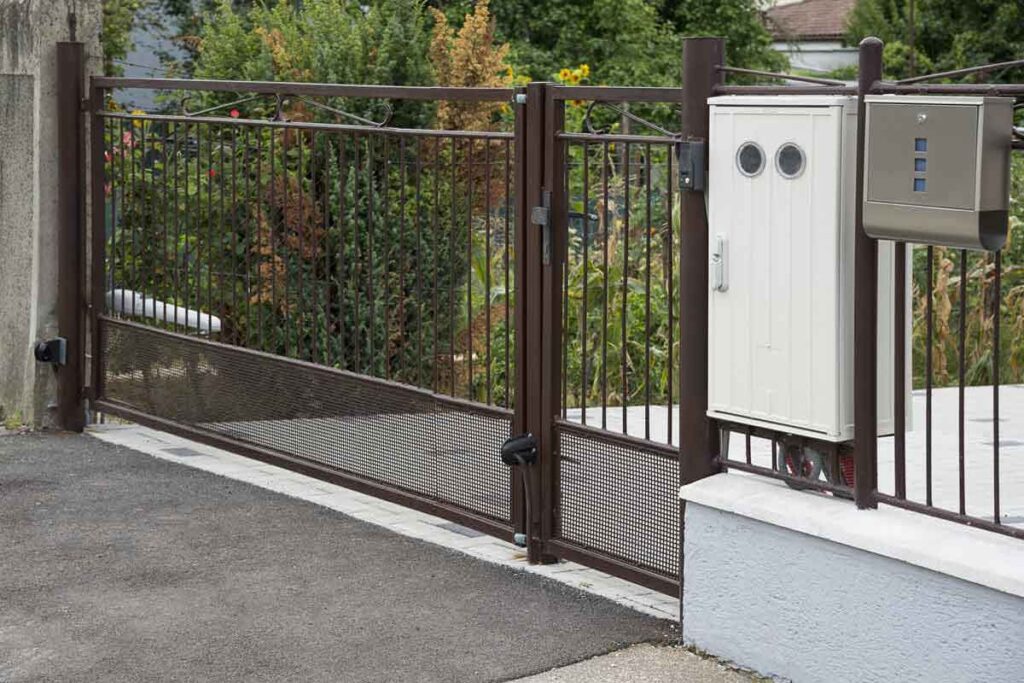
Commercial properties face unique challenges when winter weather sets in. Snow, ice, freezing rain, and fluctuating temperatures can wear down even the most durable fencing systems. Whether your boundary is made of wood, vinyl, steel, or chain link, failing to take proper steps before winter can result in significant damage, costly repairs, and avoidable downtime.
Any business relying on a Commercial Fencing Service must treat seasonal upkeep as a necessity, not an afterthought. Taking preemptive action helps preserve security, ensures safety, and upholds aesthetic appeal, regardless of the climate. From preventive maintenance to common pitfalls, here’s what must and must not be done to ensure your fence stays resilient through the cold months.
Why Winter Preparation Matters for Commercial Fencing?
Winter weather isn’t just about cold temperatures. It brings moisture, wind, soil expansion, contraction, and corrosive salts used for ice control. Each of these can wreak havoc on fencing structures. When fencing systems fail during winter, it can affect property security, logistics flow, and overall business image. Commercial sites—warehouses, schools, parking lots, factories, and retail centers—often have more fencing than residential ones, amplifying the consequences of neglect.
Do’s of Winterizing Your Commercial Fence
Proper winterization begins with preparation. Here’s what every facility manager or property owner should do:
1. Inspect the Entire Perimeter
Check for:
- Loose posts
- Cracked panels
- Sagging gates
- Rust patches
- Broken fasteners or connectors
Thorough inspection helps in identifying weak spots that may not survive a winter storm.
2. Trim Vegetation and Overhanging Branches
Branches weighed down by snow or ice can snap and fall directly on your fence. Trimming nearby shrubs and trees ensures that wind and snowfall don’t compromise your fencing’s structure or create hazards.
3. Reinforce Weak Posts and Hinges
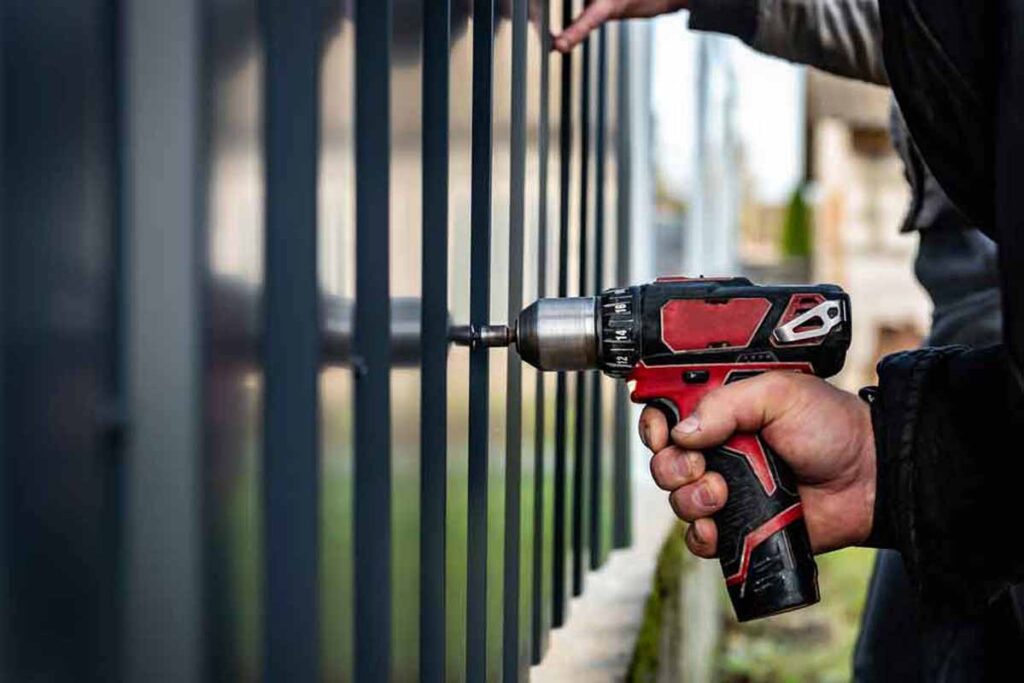
Stability matters. Posts that wobble or lean should be re-secured. Check hinges for wear and replace screws or bolts if needed. Steel reinforcement can be added to vulnerable points.
4. Clean and Clear Debris
Leaves, dirt, and waste can trap moisture. If left unchecked, this promotes rust, mildew, and even rot in wood or composite fences. Use a pressure washer or stiff brush to clean surfaces.
5. Apply Protective Coatings
Depending on the material, your fence may benefit from:
- Anti-rust primers and paints for metal
- Sealants or stains for wood
- UV protection sprays for vinyl
A protective layer acts as a barrier between your fencing and winter’s harsh conditions.
6. Check for Drainage Issues
If water pools near the base of the fence, it can freeze and cause posts to heave or tilt. Make sure your site is graded correctly and drainage systems are functioning.
7. Secure All Gates
Inspect gate mechanisms for smooth operation. Lubricate moving parts and ensure locks are weather-resistant. Gates are often the first to fail under heavy snow pressure.
8. Schedule Preventive Repairs with a Professional
A timely check-up from a Commercial Fencing Service provider ensures that hidden problems are fixed before the cold sets in. Iron Men Gates offers specialized seasonal inspections tailored for commercial properties.
Don’ts of Winter Fence Maintenance
Skipping critical steps or using the wrong approach can result in irreversible damage. Avoid these mistakes:
1. Don’t Postpone Minor Repairs
That small crack or misaligned panel can become a major issue once temperatures drop. Cold can exacerbate material fatigue, leading to complete failure.
2. Don’t Use Household De-icers on Metal Fences
Salt-based de-icers can accelerate corrosion, especially on steel or wrought iron. Always use fence-safe alternatives if ice accumulation becomes a problem.
3. Don’t Overlook Underground Movement
Frozen ground expands and contracts. This frost heave effect can push fence posts out of alignment. Ensure all footings are deep enough and reinforced for your region’s frost line.
4. Don’t Lean Snow Against the Fence
Shoveling snow against your fencing may seem harmless but adds pressure. Moisture also gets trapped between the pile and fence, speeding up rot or corrosion.
5. Don’t Neglect Fence Accessories
Signs, light fixtures, or barbed wire toppers can loosen or fall during heavy wind and snow. Check them during your inspection and tighten or remove anything at risk.
6. Don’t Use Paints Not Rated for Cold
Applying paint or sealants not designed for low temperatures can lead to peeling, cracking, or poor adhesion. Always check product labels for winter suitability.
Material-Specific Winterization Tips
Different fencing materials demand different approaches in winter. Below are tips tailored to the most common types used in commercial properties:
Wood Fencing
- Apply a waterproof sealant before the first freeze.
- Check for signs of rot, especially near the base.
- Ensure no boards are in direct contact with soil or wet ground.
Vinyl Fencing
- Avoid leaning heavy snow equipment or tools against panels.
- Rinse off any road salts that splash onto the fence.
- Check brackets and joints for tight fit.
Chain Link Fencing
- Tighten tension wires to prevent sagging.
- Inspect for rust, especially around fittings.
- Consider installing wind screens or slats for added protection in high-wind areas.
Aluminum and Steel Fencing
- Apply rust inhibitors on exposed metal.
- Touch up scratched paint to prevent oxidation.
- Inspect welds and joints for hairline cracks.
The Impact of Winter Neglect on Commercial Fencing
Ignoring winter prep may lead to issues that go beyond repair bills:
- Security risks from gaps or fallen panels
- Liability concerns if the fence collapses and causes injury
- Damage to branding as poorly maintained fencing creates a negative impression
- Operational disruption when delivery access or property boundaries are compromised
What starts as surface wear can cascade into safety violations and compliance issues, especially in regulated industries like logistics, healthcare, or education.
Seasonal Fence Maintenance Checklist
Here’s a quick reference you can follow:
Pre-Winter Checklist
- Full inspection for damage
- Reinforcement of weak posts
- Lubricate hinges and locks
- Apply weather-resistant coatings
- Check ground drainage
- Remove vegetation and debris
- Schedule professional maintenance
During Winter
- Monitor snow buildup near fence
- Avoid shoveling snow against panels
- Rinse off ice-melting salts
- Check for new damage after storms
Post-Winter
- Assess for frost heave impact
- Repair weathered components
- Repaint or reseal exposed areas
- Replace corroded fasteners
Sustainability and Long-Term Savings
Investing in winter prep is not just about short-term survival—it contributes to long-term savings and sustainability. Prolonging the life of your fencing system reduces the need for new materials, avoids premature landfill contributions, and saves thousands in emergency repair costs.
Additionally, consistent upkeep makes budget forecasting easier. Facility managers can plan routine upgrades instead of reacting to sudden failures.
When to Replace Instead of Repair
Despite the best maintenance efforts, there comes a point when repair isn’t enough. Signs it may be time for a full replacement:
- Multiple leaning sections or posts that no longer reset
- Widespread rust or rot
- Warped or cracked materials beyond surface damage
- Fencing that no longer meets current zoning or security requirements
Choosing the right Commercial Fencing Service helps determine whether reinforcement or a full overhaul is the better financial and structural decision.
Why Choose Iron Men Gates?
Iron Men Gates stands out for precision, craftsmanship, and deep knowledge of commercial fencing environments. Whether you’re securing a high-traffic retail plaza, an industrial warehouse, or a sensitive facility, the team brings a practical, safety-first approach that holds up under the most punishing weather conditions.
From routine inspections to tailored winter protection strategies, Iron Men Gates ensures your fencing serves its purpose—strong, secure, and season-proof. With a commitment to performance and lasting results, your property is in reliable hands before, during, and after winter.