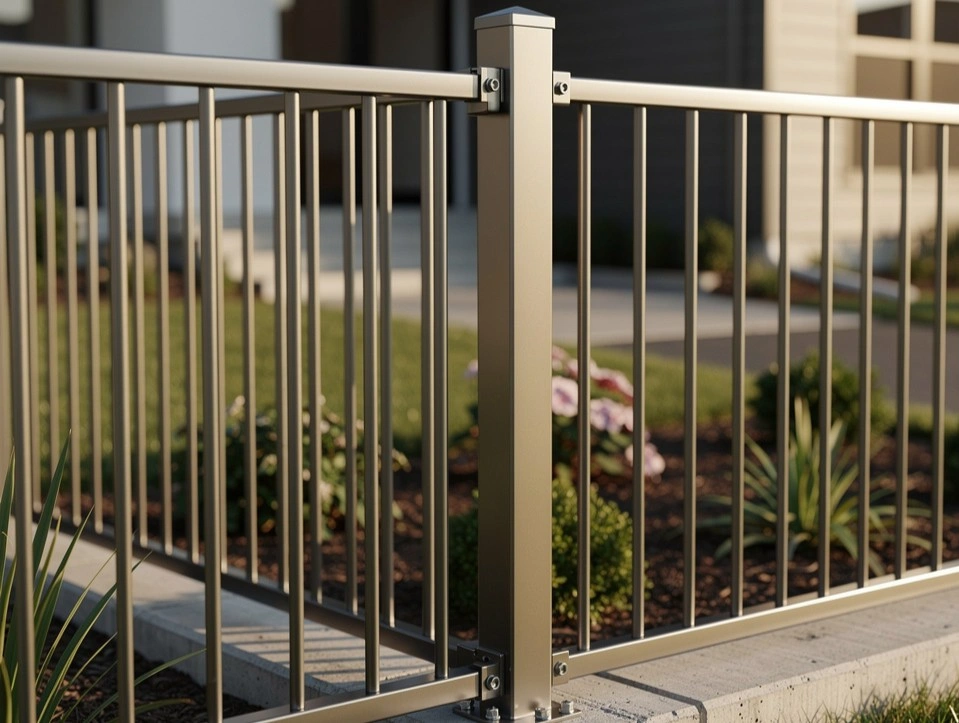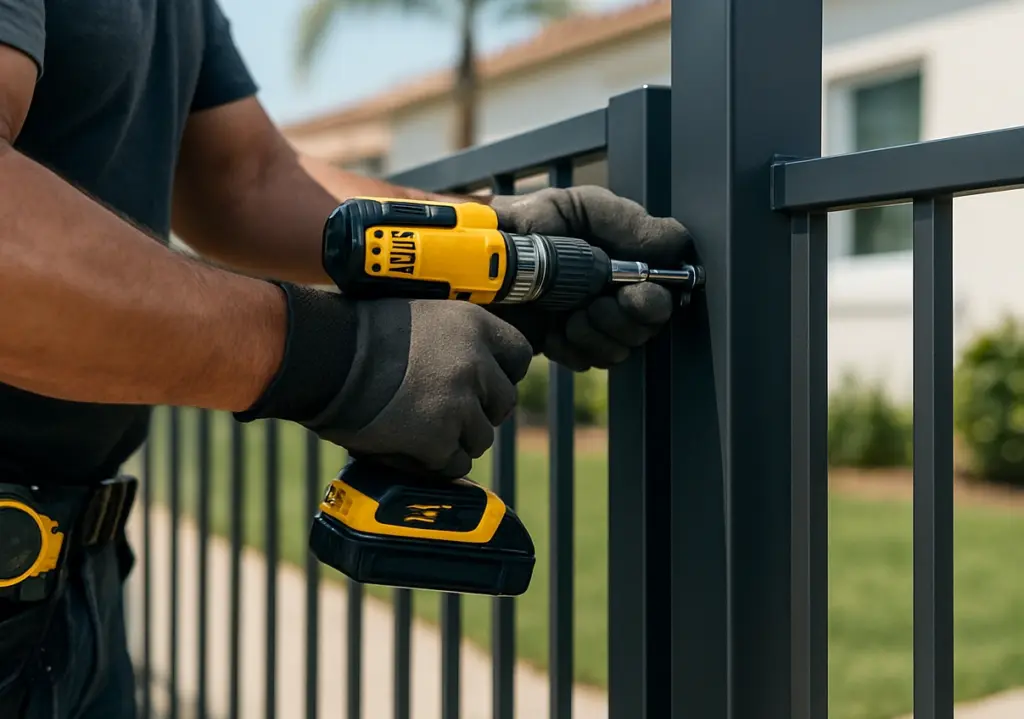

Security and efficiency are pillars of industrial operations. From protecting high-value assets to regulating access control, the gate acts as the frontline of every facility’s safety strategy. When a gate malfunctions, it not only disrupts daily operations but also opens the door to significant risks. This is why a reliable gate repair service is indispensable for maintaining operational flow, personnel safety, and property protection. Industrial facilities cannot afford neglect in this area.

The High-Stakes Environment of Industrial Operations
Industrial zones operate with strict schedules, regulated access, and high volumes of vehicle and personnel traffic. A malfunctioning gate causes more than an inconvenience—it halts operations. Whether it’s a logistics hub, manufacturing plant, or energy facility, any delay impacts productivity, costs, and compliance.
Unattended gate issues can lead to:
- Unauthorized entry
- Theft or vandalism
- Safety hazards for workers
- Logistic delays affecting supply chain delivery
- Fines due to compliance failures
The gate isn’t just a barrier—it’s a core element of operational integrity.
Impact on Access Control and Security
A functioning industrial gate acts as the first layer of access regulation. The breakdown of that gate—whether physical or electronic—compromises control over who enters and exits the premises. In sectors like pharmaceuticals, defense, and energy, the consequences of unauthorized access can be catastrophic.
Automatic gates, sensor-based barriers, and RFID-controlled access systems are widely used in industrial areas. A single malfunction in these gates can let unvetted individuals into sensitive zones. When that happens, it’s not just property at risk—data breaches, equipment sabotage, or contamination risks escalate dramatically.
Financial Repercussions of a Broken Gate
Many facilities underestimate the financial burden a broken gate can cause until the loss is incurred. These can manifest in several forms:
- Downtime costs: For warehouses, logistics parks, or distribution centers, a halted delivery schedule affects revenue streams.
- Repair escalation: A neglected minor issue can evolve into a full replacement job.
- Insurance liabilities: Claims can be denied if the facility is proven to have been unsecured at the time of an incident.
- Increased manpower costs: Manual gate operations may require additional security personnel.
Preventive attention ensures these financial pitfalls are minimized.
Role in Safety and Compliance
Industrial gates are often integrated with fire-safety systems, emergency egress plans, and access audits. Non-functional gates can violate OSHA regulations or industry-specific safety standards. In environments dealing with hazardous materials or heavy machinery, improperly working gates create access bottlenecks that could become critical during evacuations.
In highly regulated sectors, a non-compliant gate system can draw scrutiny from inspectors, potentially leading to heavy penalties or operational shutdowns until rectification.
Signs Your Industrial Gate Needs Immediate Repair
Ignoring early signs of malfunction is a costly oversight. Maintenance teams and facility managers must keep an eye on:
- Slower opening/closing speed
- Unusual sounds like grinding or screeching
- Gate sagging or misalignment
- Frequent electrical resets
- Control panel glitches
- Visible rust or corrosion
Acting on these indicators promptly avoids costly downtimes and potential injury risks.
Long-Term Cost Benefits of Proactive Maintenance
Reactive repairs are expensive. A proactive approach saves money over the long term. Routine inspections and servicing extend gate lifespan, optimize performance, and eliminate surprise breakdowns.
Benefits of proactive gate repair and maintenance include:
- Improved energy efficiency for automated systems
- Extended operational life of motors and hydraulic systems
- Reduced need for emergency repair callouts
- Consistent compliance with industrial safety standards
- Predictable maintenance budgets
Facilities that treat their gate systems with the same seriousness as machinery or IT infrastructure reap long-term rewards.
Automation Components That Demand Special Attention
Most industrial gates today are automated, relying on electronic components, motion sensors, and software integrations. These components are not immune to wear and require special attention.
Components Prone to Failure:
- Gate motors: Overheated motors from overuse or obstruction
- Control panels: Malfunctioning logic boards or software errors
- Safety sensors: Dirt, misalignment, or wiring issues can compromise detection
- Battery backups: Failures during power outages can lock the system
- Loop detectors: Sensor issues may cause gates to open or close unexpectedly
Each of these components has its maintenance lifecycle. Facility managers must partner with professionals familiar with industrial-grade systems, not residential-grade fixes.
Weather and Environmental Wear on Industrial Gates
Unlike residential gates, industrial gates are exposed to heavier use and more extreme environmental conditions. Industrial facilities often operate around the clock, and gates are opened and closed dozens—if not hundreds—of times a day.
Factors that accelerate wear and tear include:
- Coastal air is causing corrosion
- Dust-heavy environments clog motor housings
- Oil and chemical exposure are weakening components
- Temperature fluctuations affecting hydraulic pressure
Without regular inspections, even a new gate can deteriorate faster than expected. Regular servicing helps detect corrosion, lubrication loss, or alignment shifts before they escalate.
Key Consequences of Neglecting Gate Repair
- Security Breaches: Unauthorized access due to non-functioning locks or automation.
- Workplace Injuries: Faulty gates can fall or malfunction dangerously.
- Operational Delays: Supply chain bottlenecks from halted entry/exit.
- Legal Trouble: Fines due to non-compliance with safety regulations.
- Higher Costs: Deferred repairs result in full replacement needs.
- Reputation Damage: Clients and contractors lose confidence in facility management.
- Manual Labor Costs: Need for additional human gate monitoring.
- Inventory Loss: Exposure to theft or environmental damage.
Industrial Gate Types That Demand Specialized Repair
Each gate type used in industrial facilities has unique repair requirements. Recognizing the differences ensures that service technicians apply the correct solutions:
1. Slide Gates
Used in warehouses and logistics yards, these gates are prone to track obstructions and motor wear.
2. Swing Gates
Common in factories and chemical plants, hydraulic and hinge issues are typical.
3. Vertical Pivot Gates
Often used in tight spaces. They require specific expertise to calibrate pivoting mechanisms and balance.
4. Bi-Folding Gates
High-speed options are used in emergency vehicle facilities. Panel alignment and actuator synchronization are critical.
5. Barrier Arms
Used in parking and toll areas. Motor and spring tension issues are frequent.
A generic repair approach often leads to recurring issues. Industrial gate repair requires specialized diagnostic tools and replacement parts suited to each model.
Emergency Repair Services: Why They Matter
Industrial facilities don’t operate on a 9-to-5 schedule. A gate breakdown at midnight is just as disruptive as one during working hours. Having access to emergency repair services means that downtime is minimized and security isn’t compromised even during off-peak hours.
Facilities should maintain a service contract with providers offering:
- 24/7 on-site support
- Immediate response dispatch
- Inventory of commonly used industrial gate components
- Temporary gate solutions until permanent repairs are made
Fast response prevents prolonged exposure to security risks or operational lags.
Integration with Security Systems
Many industrial gates are part of larger security ecosystems. These gates are integrated with:
- CCTV monitoring
- Intercom systems
- Access control cards
- Biometric scanners
- Alarm systems
A malfunction in the gate often triggers a cascade of other failures, causing access logs to break, alarms to misfire, or cameras to misalign. A thorough repair service addresses these interconnected systems, not just the gate hardware.
Role in Fire and Emergency Planning
Fire safety codes often require gates to automatically open in case of emergencies. If a gate fails to respond to the fire panel signal or the battery backup is dead, it can obstruct emergency evacuation or fire truck entry.
Testing and servicing should ensure:
- Gates fail open in emergencies
- Power loss doesn’t trap employees
- Manual overrides function properly
These features are not optional—they’re lifelines during critical situations.
Avoiding DIY Fixes in Industrial Settings
In industrial facilities, gate repair is not a DIY task. The risks and complexities involved make it dangerous and often ineffective. Issues that seem mechanical may have electronic roots. Unqualified handling can lead to:
- Electrical hazards
- Voided warranties
- Regulatory violations
- Incomplete repairs that worsen over time
Facilities must rely on trained professionals equipped with industrial tools, diagnostic equipment, and safety knowledge.
Scheduling a Maintenance Plan That Works
A structured maintenance plan is more than a checklist. It’s a risk-management strategy.
A good industrial gate maintenance schedule includes:
- Bi-annual inspections
- Monthly component checks (motors, sensors, tracks)
- Lubrication of moving parts
- Rust and corrosion assessments
- Safety compliance testing
- Seasonal adjustments (especially in colder climates)
Digital logs should be maintained to ensure regulatory audits can be passed with confidence.
Why Choose Iron Men Gates?
When performance, security, and compliance are non-negotiable, entrusting your facility’s gate repair and maintenance to experienced professionals makes the difference. Iron Men Gates brings precision, reliability, and safety-focused solutions tailored to the demanding needs of industrial operations. From diagnostics to emergency response, Iron Men Gates ensures that your access systems remain secure, efficient, and fully functional—no matter the conditions.