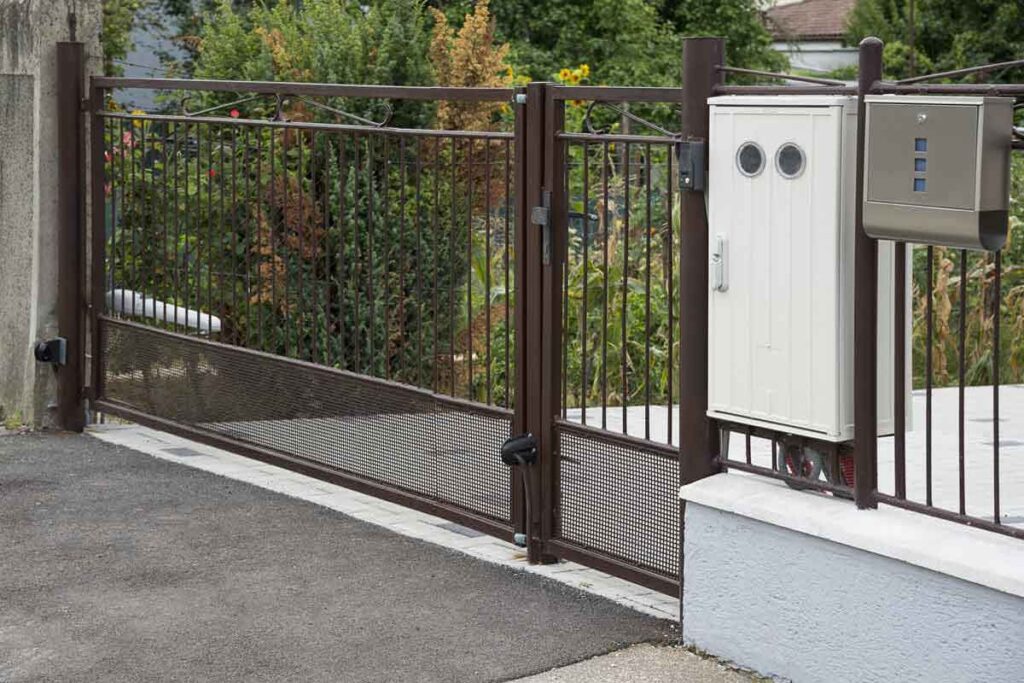
Motorized gates offer convenience, security, and modern sophistication. They automate access control, reduce manual labor, and safeguard residential and commercial properties. However, the motor—the heart of this system—is also the most stressed and sensitive component. Without timely maintenance, it can experience sudden failure, disrupting entry points and leaving properties vulnerable. This is where gate repair service becomes essential. Regular checks and targeted repairs for gate motors are critical to prevent mechanical, electrical, and structural issues that could lead to system breakdowns.

Neglecting the condition of a gate motor may not seem urgent, but it eventually costs time, money, and peace of mind. Whether it’s a swing gate, sliding gate, or barrier arm, all motorized gates face common threats that are preventable with the right interventions.
Why Gate Motors Fail: Hidden Causes Behind the Breakdown?
Gate motor failure is often not sudden. Problems build up gradually beneath the surface until the system gives out. Preventing failure starts by recognizing the core reasons motors malfunction:
- Electrical Overload: Motors constantly exposed to power surges, unstable voltage, or poor wiring will wear out prematurely. Electrical fluctuations burn internal components like capacitors and circuit boards.
- Lack of Lubrication: Motors often drive gear assemblies and chain systems. Without proper lubrication, the resistance in motion increases, forcing the motor to work harder and overheat.
- Inconsistent Use Cycles: Gate motors are built with specific duty cycles. If a gate is operated more frequently than it’s designed for, the motor may overheat and deteriorate.
- Water Intrusion and Corrosion: Rain, sprinkler overspray, or high humidity can corrode terminals, short-circuit wiring, or cause rusting within the motor enclosure.
- Debris in Tracks or Hinges: When obstructions exist in the track or hinge, motors compensate by pulling harder. This overloads their torque capacity and reduces their lifespan.
- Unbalanced Gate Weight: If a gate becomes misaligned or sags, the motor compensates unevenly during opening or closing. This imbalance causes mechanical fatigue.
- Ignored Warning Signs: Strange noises, jerky movements, or delayed responses often indicate internal motor issues that need immediate attention, but are often overlooked.
The Role of Timely Repairs in Preventing Total Motor Failure
A gate motor doesn’t fail overnight. It gives early signals. Responding at the first sign of distress prevents irreversible damage. Here’s how timely repair work actively prevents failure:
- Motor Calibration: Technicians realign gate motor settings with the weight and angle of the gate, reducing stress on components.
- Capacitor Testing and Replacement: This simple intervention can restore motor power and efficiency before it burns out.
- Lubrication and Mechanical Adjustment: Repair professionals target tension points in hinges, chains, or track wheels that strain the motor.
- Moisture Sealing: Damaged gaskets or enclosures are resealed to prevent water damage to internal circuits.
- Sensor Realignment: Faulty sensors can cause a gate to reopen unexpectedly, adding pressure to motors. Realignment restores operational balance.
- Power Supply Stabilization: Voltage regulators and clean wiring eliminate irregular power flows that wear down motor electronics.
Signs Your Motorized Gate Is on the Verge of Failure
Early detection can make all the difference. Look for these warning signs that your motor needs repair before total failure occurs: The gate opens more slowly than usual.
- Grinding or screeching noises
- Inconsistent stopping points
- Remote control delay or erratic behavior
- The gate opens or closes partially
- Manual override doesn’t work properly
- Frequent power resets are required
Each of these symptoms, if caught early, can lead to a simple repair instead of full motor replacement. Ignoring them accelerates failure.
Long-Term Financial Benefits of Motor-Specific Gate Repairs
Many gate owners worry about repair costs, but in reality, regular motor-specific service significantly reduces overall expenses. Here’s how:
- Fewer Emergency Repairs: Emergency visits and overnight fixes are more expensive than routine maintenance.
- Avoids Full Motor Replacement: A well-maintained motor lasts longer and saves thousands in hardware costs.
- Reduces Secondary Damage: A failing motor can damage gears, tracks, chains, or even the gate structure.
- Improves Energy Efficiency: An overworked or misaligned motor draws more power. Proper repair restores optimal energy use.
- Extends System Lifespan: Preventive care slows wear and tear on all connected gate parts.
Smart property owners see repair as an investment in protecting long-term value, not a one-time expense.
What Happens When You Don’t Repair a Failing Gate Motor?
The cost of inaction is often far greater than the cost of repair. Without timely intervention, the following problems can occur:
- Security Breach: Gates stuck in an open or half-closed position invite trespassers.
- Property Inconvenience: Residents, deliveries, or employees may be locked out or inside.
- Injury Risk: Malfunctioning gates can close unexpectedly or collapse.
- Structural Damage: Burnt motors can damage wiring or melt surrounding plastic.
- Insurance Denial: Insurers may deny claims for damages due to ignored maintenance issues.
- Complete System Downtime: You might need to disable the entire gate system, forcing manual entry.
Components Checked During Gate Motor Repair
Regular repair services are not limited to the motor alone. Here’s a typical checklist during a professional gate motor inspection and repair session:
- Motor housing and internal insulation
- Electrical wiring and fuses
- Capacitor condition
- Mounting brackets and bolts
- Gearbox lubrication and integrity
- Safety sensor calibration
- Remote receiver alignment
- Limit switch function
- Manual release mechanism
- Battery backup (for solar or DC gates)
- Water seals and corrosion protection
Each component plays a role in the motor’s performance. Ensuring all are functional prevents future breakdowns.
Common Types of Motor-Driven Gates and Their Repair Needs
Different gate styles put unique stress on motors. Customizing repair based on gate type ensures lasting performance.
1. Sliding Gates
- Susceptible to debris in the track.
- Motor gears often wear due to uneven rolling.
- Limit switch calibration is essential.
2. Swing Gates
- Hinges misalign frequently.
- Gate sag causes the motor to pull unevenly.
- Regular lubrication reduces strain on motor arms.
3. Barrier Arm Gates
- Often used in high-traffic areas.
- Motors experience heavy usage cycles.
- Spring tension needs frequent adjustment.
4. Underground Motors
- Common in luxury properties.
- More vulnerable to water damage.
- Requires frequent sealing and drainage checks.
Why Regular Inspection Schedules Matter?
Waiting for a visible problem is risky. A structured inspection schedule can prevent 90% of motor issues. Recommended intervals:
- Every 3 Months: Basic checkup and minor tuning.
- Every 6 Months: Deep inspection and component testing.
- Annually: Full overhaul including capacitor, wiring, and motor seal check.
These intervals should be adjusted based on use frequency, climate exposure, and gate type. A schedule avoids surprise failures and maintains consistent performance.
DIY vs. Professional Repairs: The Right Balance
While simple tasks like cleaning tracks or checking for obstructions can be done by property owners, motor-related repairs should be left to trained professionals.
Why?
- Electric Shock Risk: Gate motors are connected to high-voltage power supplies.
- Component Sensitivity: Improper handling can permanently damage internal systems.
- Warranty Concerns: DIY work can void the manufacturer’s warranty.
- Hidden Damage: Professionals catch issues invisible to untrained eyes.
Professional repair doesn’t just solve the problem—it restores system integrity and safety.
Industry Trends in Gate Motor Servicing
As gate systems become more integrated with smart tech and AI-based automation, the complexity of motor systems has grown. Newer models include:
- Battery backup systems
- Solar-powered motors
- WiFi-controlled smart motors
- Automatic force detection and correction
With such advanced features, regular repair and firmware updates are now part of motor maintenance. Staying updated isn’t optional—it’s essential for performance.
Long-Term Gate Motor Health: Best Practices
To maximize the lifespan of your gate motor:
- Keep sensors clean and unobstructed.
- Never force a gate open or closed.
- Ensure stormwater drains away from motor boxes.
- Use gate operation according to its cycle limits.
- Get biannual checkups even if no issues are visible.
These small actions delay aging and prevent sudden failures.
Why Choose Iron Men Gates?
Iron Men Gates specializes in ensuring the motor at the heart of your gate functions flawlessly. Our skilled technicians don’t just fix problems—they prevent them. Every service we perform is detailed, focused, and designed to preserve the longevity and reliability of your gate motor system. Whether you’re protecting a home, commercial space, or industrial property, trust Iron Men Gates to keep your motorized gates operating without failure.