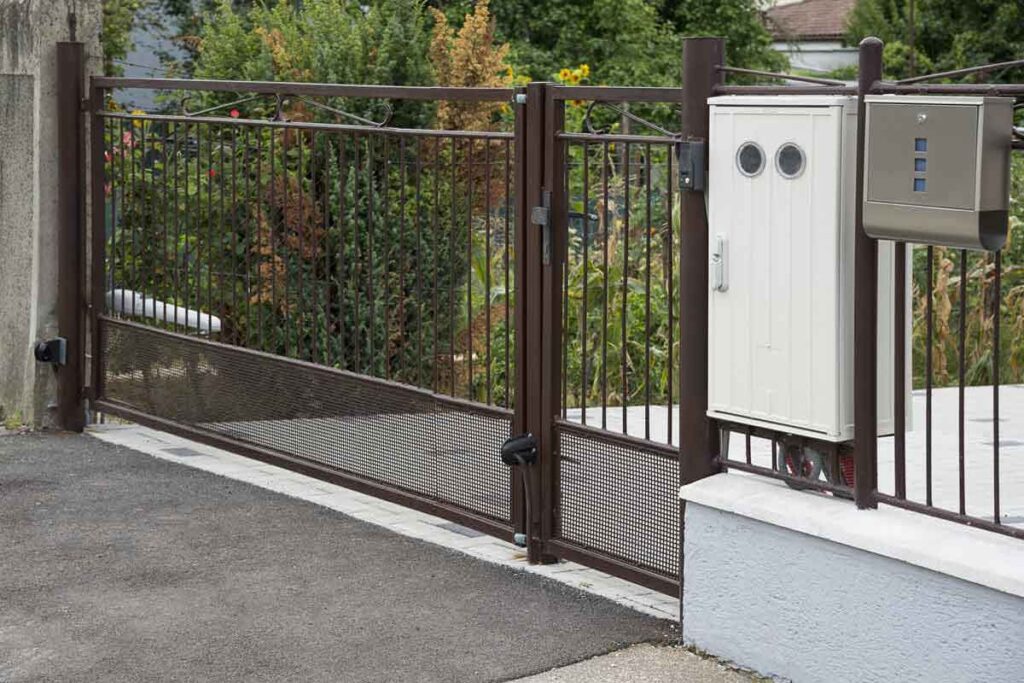
A well-maintained commercial fence isn’t just about aesthetics; it reflects a business’s dedication to safety, security, and property upkeep. As temperatures rise, so do the challenges your perimeter fencing may face—thermal expansion, storm damage, overgrown vegetation, and UV deterioration. Engaging in proactive upkeep can prevent small issues from snowballing into costly problems. Using a trusted Commercial Fencing Service is essential to spot concerns before they compromise the integrity of your investment.

Whether your commercial fence surrounds a warehouse, office park, school, or industrial complex, summer presents the perfect time to assess, repair, and reinforce its components. Iron Men Gates brings you a practical maintenance checklist, written for property managers, facility heads, and security planners who want to keep their fencing in prime shape throughout the season.
Inspect for Summer-Specific Wear and Tear
Summer heat impacts different fence materials in unique ways. Wooden fences might dry out and splinter. Vinyl can warp in the sun. Metal fences—particularly iron or aluminum—may expand, weakening structural joints.
Here are key areas to inspect at the start of summer:
- Check for Warping: Especially in vinyl and wood.
- Scan for Corrosion or Rust: Focus on metal joints, hinges, and fasteners.
- Inspect Welded Joints: Metal fences often have weak points at the welds.
- Review Gate Alignment: Sun expansion can alter gate positioning.
- Look for Cracked or Chipped Paint: This is an entry point for moisture and pests.
Walk the full length of the fence. Don’t skip hidden sections behind landscaping or near outbuildings. Document anything unusual, and schedule a checkup with a fencing technician for anything beyond surface damage.
Clean Off Debris and Vegetation
Summer storms often bring branches, leaves, dirt, and more into contact with fence lines. Debris not only looks messy but can also trap moisture, introduce mold, and cause stains or corrosion.
Cleaning Checklist:
- Trim back all vegetation within two feet of the fence.
- Remove any vines or moss clinging to wood or metal surfaces.
- Power wash vinyl or metal sections to remove dirt and sap buildup.
- Use a gentle cleaning solution for wood—avoid harsh chemicals that strip oils.
- Inspect nearby trees that overhang the fence and trim unstable limbs.
A clean fence not only functions better but also allows for easier inspections later in the season.
Address Surface Damage Immediately
Surface-level issues can become structural if ignored. Don’t put off repairing chipped paint, minor rust patches, or loosening fasteners. Small flaws tend to worsen with summer rains, UV exposure, and consistent temperature fluctuations.
Focus on the following:
- Peeling Paint or Coating: Sand and recoat affected spots.
- Rust Development: Wire-brush and treat with rust inhibitor before painting.
- Loose Screws or Nails: Replace with weather-resistant hardware.
- Splintering Wood: Sand smooth and apply sealant.
- Cracked Vinyl Sections: Replace panels if damage runs through the thickness.
Regular visual checks ensure you’re catching small issues early before they weaken your fence’s structural integrity.
Check Fence Stability and Alignment
Ground shifting during summer—caused by dry soil conditions or irrigation—can move fence posts. This misalignment may not be visually obvious at first, but could lead to sagging, leaning, or binding gates.
Stability Points to Review:
- Push against posts to check for movement.
- Confirm that all posts are vertically aligned.
- Evaluate tension wires on chain link fences for slackness.
- Look for signs of concrete footer cracking.
- Test gates for smooth operation and full closure.
If you notice movement, consult a Commercial Fencing Service provider to reset or reinforce the post in question.
Reapply Protective Coatings
Paint and sealant serve more than just cosmetic purposes—they shield fencing from rain, sun, wind, and pests. As these protective barriers wear away, material degradation speeds up.
Maintenance Schedule Based on Material
- Wood: Apply a high-quality sealant every 12-18 months.
- Metal (Iron/Steel): Paint every 2-3 years, or touch up chipped areas immediately.
- Vinyl: No painting needed, but clean regularly to avoid UV yellowing.
- Chain Link: Check for rust on posts and fittings; replace if corrosion is evident.
Schedule coatings during low-humidity periods for best adherence and drying.
Reinforce Security Features
A commercial fence is often the first line of defense. In summer, security may be compromised due to thermal expansion of gate mechanisms or warping of locks and hinges.
Security Elements to Evaluate:
- Test gate locks for proper engagement.
- Check electronic access points for weather resistance.
- Lubricate the mechanical parts of sliding or swinging gates.
- Look for signs of tampering or forced entry attempts.
- Replace any sections with weakened structural integrity.
This is especially important in high-traffic or high-risk commercial zones.
Evaluate for Pest Intrusion
Wood fencing can attract insects like termites and carpenter ants, particularly during warm and humid months. Even vinyl or metal fences may serve as shelter for burrowing animals around the base.
Preventive Steps:
- Keep fence bases clear of mulch and heavy vegetation.
- Look for burrows or holes near fence posts.
- Check wood for soft spots or sawdust trails.
- Install pest-resistant barriers if infestation signs appear.
- Call pest control if evidence suggests activity beyond surface levels.
Prevention saves money compared to pest remediation and fence replacement.
Review Drainage Around the Fence
Poor drainage leads to rot, corrosion, and post-instability. Summer storms, irrigation systems, or landscaping changes can unintentionally redirect water toward fence lines.
Drainage Checklist:
- Ensure soil slopes away from the fence base.
- Clean out nearby storm drains and downspouts.
- Use gravel around fence posts to promote runoff.
- Avoid overwatering lawn sections next to the fence.
- Check for puddling or mud buildup after rain.
Consistent puddles may mean you need to consult a fencing or landscaping professional.
Plan Preventive Repairs
Summer is ideal for scheduling non-urgent repairs because conditions are typically dry and contractors have better availability. Take this time to address concerns that aren’t yet emergencies.
Smart Preventive Repairs Include:
- Reinforcing wobbly sections before they fail.
- Upgrading to rust-proof hardware.
- Replacing outdated gate hinges with modern, durable options.
- Installing UV-resistant vinyl slats for added shade and privacy.
- Adding post caps to keep rain and insects out.
This type of planned maintenance reduces the chance of a major failure mid-season.
Schedule a Professional Inspection
Not every issue is easy to spot. Scheduling a seasonal inspection from a qualified Commercial Fencing Service like Iron Men Gates ensures a trained eye assesses your perimeter for invisible or developing problems.
A good technician will:
- Test the structural integrity of all fence types.
- Use diagnostic tools to assess metal thickness or wood rot.
- Recommend material-specific treatments or upgrades.
- Offer a maintenance schedule tailored to your location and use.
Even a quick inspection can uncover issues that a visual review might miss.
Quick Reference Summer Maintenance Checklist
Here’s a condensed version of key actions:
- Inspect all fence sections for damage
- Clean and clear vegetation, dirt, and debris
- Check post stability and alignment
- Recoat or repaint where needed
- Tighten or replace loose fasteners
- Examine gates, locks, and access points
- Treat rust and rot spots
- Watch for signs of pests
- Confirm good drainage at the base
- Book a professional inspection
Pin this checklist where your maintenance team can see it—keeping your fence secure and standing tall is a season-long responsibility.
Why Choose Iron Men Gates?
Iron Men Gates stands for durability, precision, and unwavering quality in every Commercial Fencing Service we provide. We know how summer can test even the strongest fences. That’s why we’re trusted by businesses to ensure their properties stay protected, visually sharp, and compliant with safety standards. Our team works with you to create maintenance strategies that meet your unique needs, so you can focus on running your operations while we handle your perimeter.