Heavy winds and storms can be incredibly damaging to various structures on your property, and gates are no exception. As a crucial component of your security and aesthetic design, ensuring your gates are protected from the ravages of storms and high winds is essential. For residents and businesses in areas like Los Angeles, where strong storms are a possibility, taking the necessary precautions can prevent costly repairs and enhance the lifespan of your gates. At Iron Men Gates, we understand the importance of robust, durable gates and are committed to offering tips and recommendations on how to prevent gate damage from heavy winds and storms.
Choose Durable, Wind-Resistant Materials
The first line of defense against storm damage is selecting the right materials for your gate. Not all gates are created equal when it comes to resisting the force of strong winds. Metal gates, particularly those made of steel, aluminum, or wrought iron, tend to perform better in high winds compared to wood or plastic alternatives. These materials are not only stronger but also less prone to warping or snapping under pressure.
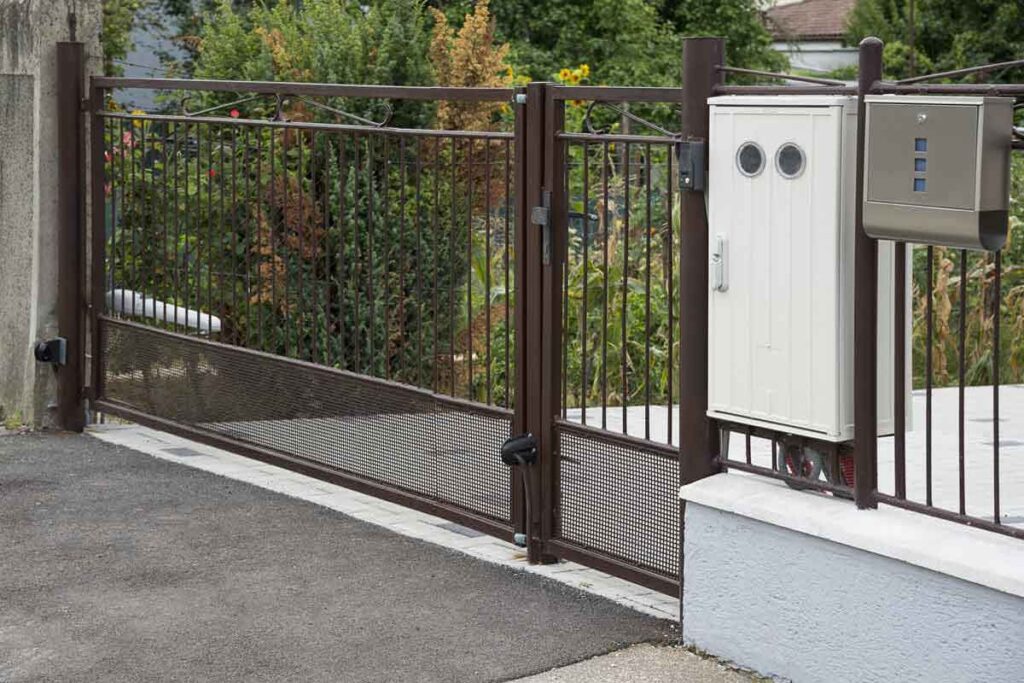
For areas prone to frequent storms, investing in a high-quality, heavy-duty gate can significantly reduce the chances of damage. Make sure that the gate’s design is aerodynamically sound, which helps to minimize wind resistance. Gates that feature openwork designs or a slatted construction allow wind to pass through, reducing the risk of structural damage during gusty conditions.
Install Reinforced Hinges and Latches
The hinges and latches are often the weakest points of a gate, especially in high winds. During storms, if the hinges and locking mechanism are not strong enough, they may give way, causing the gate to fall or become misaligned. To prevent this, it’s crucial to invest in high-quality, reinforced hinges and latches. Look for options that are specifically designed to withstand wind stress.
For example, using heavy-duty stainless steel or brass for these components can add durability. Reinforced hinges should be attached securely to both the gate and the post, ensuring there is no loose movement during high winds. Additionally, using a heavy-duty lock or latch mechanism can keep the gate securely in place, even when the wind is pushing against it.
Anchor the Gate Properly
One of the most effective ways to prevent damage to your gate is to ensure that it is securely anchored to the ground. Gates that are loosely anchored are much more likely to be affected by high winds, causing the posts to shift, lean, or even break.
When installing a gate, it’s important to use strong, properly set anchors. Concrete foundations are often the most reliable way to keep a gate stable during storm conditions. The posts should be set deep into the ground with reinforced concrete, which helps prevent them from leaning or being uprooted by heavy winds. Additionally, using ground anchors on sliding gates can prevent them from being lifted off their tracks or becoming detached during extreme weather.
Add Windbreaks or Barriers
Installing windbreaks or barriers around your gate is another way to reduce its exposure to strong winds. A windbreak can be a series of trees, shrubs, or a fence that serves to absorb or deflect the wind before it reaches your gate. This can be particularly useful if your gate is located in an open area without natural wind resistance.
Ensure that any windbreaks are carefully planned to direct the flow of wind away from the gate while allowing proper air circulation. However, be cautious of planting large trees too close to your gate, as they could fall during a storm and cause more damage. Always assess the potential wind flow direction and adjust the positioning of your windbreaks accordingly.
Regularly Maintain the Gate and Its Components
Routine maintenance is essential for prolonging the life of your gate and preventing storm-related damage. Regularly inspect the gate for signs of wear and tear, such as rust, corrosion, loose hinges, or worn-out weatherproofing seals. These minor issues, if left unaddressed, can worsen over time and result in significant damage during a storm.
Lubricating hinges and locking mechanisms at least once every few months can help them function smoothly and prevent them from seizing up during inclement weather. Additionally, check for any signs of structural damage to the gate itself, such as cracks or weakened spots that might not withstand strong winds. If you spot any issues, address them promptly to ensure your gate is storm-ready.
Opt for Automatic Gate Openers with Wind Sensors
Automatic gates provide the convenience of ease and security, but they also require proper setup to resist storm damage. A modern solution to protecting automatic gates from wind damage is installing wind sensors in combination with your automatic gate opener system. These sensors detect the force of the wind and can automatically close the gate if winds exceed a certain threshold.
In the event of a storm, the wind sensors will activate the system to close the gate, even if it was previously left open, preventing it from swinging wildly or becoming damaged. Additionally, ensure that your automatic opener is powered by a reliable, weather-resistant motor that can function smoothly under tough conditions.
Install Storm Shutters or Covers
For gates that are particularly vulnerable to extreme storms or hurricanes, storm shutters or covers can provide an additional layer of protection. These can be installed over the gate or around the posts to protect them from flying debris and extreme weather conditions.
Storm shutters designed specifically for gates are built to withstand high winds and keep the gate safe. If you live in an area that is often affected by hurricanes or intense storms, this could be an investment worth considering. They can be removed or retracted when not in use, ensuring they don’t interfere with your gate’s aesthetic or functionality when the weather is calm.
Consider the Positioning of the Gate
The location of your gate plays a critical role in how well it can withstand high winds. A gate that is located in an open area with no protection from buildings, trees, or other structures is much more likely to be affected by wind. If possible, position your gate in an area where it is shielded by natural or man-made barriers.
For instance, placing your gate closer to a fence line or under the protection of a building can help reduce wind exposure. Alternatively, positioning it in a way that directs the flow of wind away from the structure could mitigate the damage caused by high gusts.
Regularly Check for Damage After Each Storm
After a storm or strong winds, it’s important to inspect your gate for any signs of damage or wear. Even if the gate appears to be intact, small issues can become bigger problems over time. Look for any bent or warped sections, loose posts, or areas that may have been weakened by the storm.
Address any minor issues immediately to avoid more significant repairs down the line. It’s better to be proactive in maintaining your gate than to wait until the damage becomes critical. Taking these precautionary steps ensures that your gate remains functional and secure during future storms.
Why Choose Iron Men Gates?
At Iron Men Gates, we understand the importance of protecting your property from the elements. Our gates are designed with durability and security in mind, ensuring they stand up to high winds, storms, and other harsh conditions. Whether you need custom-built gates, professional installation, or expert repair services, our team is here to provide top-quality solutions.
With our years of expertise and commitment to quality, we can help you select the right gate and offer maintenance services to ensure its longevity and resilience in the face of adverse weather. Don’t let storms compromise your security—trust Iron Men Gates to deliver reliable, long-lasting solutions.