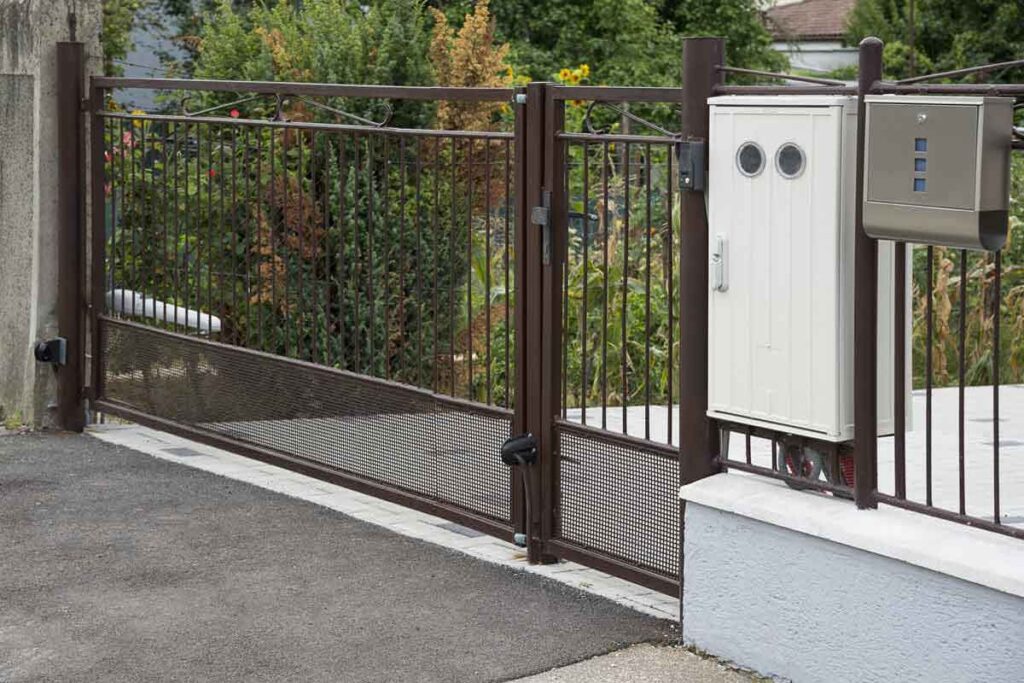
Commercial fencing service providers face a crucial challenge when working in regions with extreme weather. From intense UV exposure and heavy snow loads to coastal salt air and torrential rains, each environmental factor demands tailored fencing solutions that balance strength, longevity, and aesthetics. Iron Men Gates recognizes that selecting the right material and design is not just a matter of preference—it’s a matter of long-term performance and security.

The Role of Climate in Fence Durability
Weather patterns are not merely seasonal disruptions. They actively shape the lifespan and performance of fencing systems. In arid regions, UV rays and heat degrade paint, warp vinyl, and dry out wood. Cold climates introduce freeze-thaw cycles that crack materials, shift foundations, and corrode fasteners. Coastal areas bring salt-laden air that corrodes metal and discolors many materials. Heavy rainfall or flooding challenges soil stability, causing posts to shift or rot. Each condition demands specific material attributes, surface coatings, and construction practices to prevent premature failure.
Best Materials for Weatherproof Fencing
Choosing weatherproof fencing starts with selecting the right material. The ideal choice depends on the specific environmental challenges.
1. Powder-Coated Aluminum
- Resistant to: Corrosion, UV rays, temperature fluctuations
- Ideal For: Coastal areas, humid climates
- Strengths: Lightweight, low maintenance, rustproof
- Limitations: Not suitable for high-security applications without reinforcements
Powder-coated aluminum resists rust even in salt-heavy environments. Its protective finish withstands intense sun without fading or peeling. Despite being lightweight, modern aluminum fencing offers solid structural integrity, especially when reinforced with horizontal rails or thicker pickets.
2. Galvanized and Vinyl-Coated Steel
- Resistant to: Impact, moisture, wind
- Ideal For: Industrial zones, areas with extreme snowfall
- Strengths: High strength, excellent rust resistance when properly coated
- Limitations: Cost increases with better coatings
Steel fencing, especially chain-link or ornamental variants, remains a staple for its ruggedness. A galvanized base protects against rust, and vinyl coatings add UV resistance and color retention. In snow-heavy regions, its ability to withstand weight and impact is unmatched.
3. Vinyl (PVC) Fencing
- Resistant to: Water, UV rays, insect damage
- Ideal For: Areas with heavy rain or sun exposure
- Strengths: No painting required, low maintenance
- Limitations: Can become brittle in extreme cold
Modern vinyl fencing mimics wood grain while avoiding rot and termite issues. It’s an excellent choice for rainy climates and locations with variable temperatures. However, vinyl expands and contracts, so proper installation with expansion gaps is critical to avoid warping.
4. Composite Fencing
- Resistant to: Moisture, rot, UV rays
- Ideal For: All-weather environments
- Strengths: Looks like wood but performs like plastic
- Limitations: Higher cost, can fade slightly over time
Composite fencing offers a balanced solution for those who prefer the appearance of wood but demand superior longevity. Formulated from recycled plastics and wood fibers, it’s ideal for homeowners and businesses seeking long-lasting beauty with minimal maintenance.
5. Pressure-Treated Wood with Weatherproof Sealants
- Resistant To: Termites, mild weathering
- Ideal For: Mild to moderate climates with proper upkeep
- Strengths: Natural appearance, customizable
- Limitations: Requires regular maintenance
While wood remains a classic, it requires diligent treatment to survive in harsh weather. Pressure-treated lumber resists termites and fungi, but it must be sealed and maintained. For climates with high rainfall or humidity, regular reapplication of weatherproof sealants is essential.
Key Design Considerations in Harsh Conditions
Beyond the material, design plays a pivotal role in a fence’s ability to endure. Professionals in commercial fencing service must integrate climate-specific features into the structural plan.
Drainage and Water Flow
Poor water management can compromise even the most resilient fences. Water pooling around posts accelerates rot and frost heave. Use gravel backfill, sloped installations, and French drains to channel water away.
Wind Load Engineering
In tornado-prone or hurricane zones, fencing needs anchoring deep into the ground. Open-slat designs like louvered or picket fences reduce wind resistance, while reinforced posts improve structural integrity.
Snow Load Resistance
Snow accumulation adds unexpected vertical force. Metal fences, particularly steel, are favored here. Post spacing and concrete depth must account for shifting soil due to freeze-thaw cycles.
UV and Heat Reflection
For desert and sunny climates, reflective finishes or light-colored coatings can help prevent surface degradation. These finishes keep fence materials cooler and slow down wear.
Maintenance Practices That Extend Fence Lifespan
Even the best weatherproof materials need regular inspection. These proactive steps help prevent small problems from becoming large replacements:
- Monthly Inspections: Check for leaning posts, rust spots, surface cracks, and signs of decay
- Seasonal Cleaning: Use mild soap and water to remove dirt, salt, or debris buildup
- Rust Touch-Ups: Apply rust-inhibitor sprays to minor corrosion spots immediately
- Re-Sealing: For wood fences, reapply sealant every 1–2 years, depending on local conditions
- Fastener Checks: Tighten loose screws and replace missing or corroded hardware
Fence Types That Perform Well in Extreme Climates
Here are reliable fence types tailored for tough weather environments:
| Fence Type | Best Climate Suitability | Key Feature |
|---|---|---|
| Chain Link (vinyl) | Coastal, snowy | Durable with protective coating |
| Horizontal Slat Metal | Wind-prone, dry climates | Low wind resistance, modern design |
| Vinyl Privacy Panels | Rainy, sunny | Waterproof and UV stable |
| Composite Board-on-Board | Mixed climates | Balanced aesthetics and strength |
| Welded Steel Mesh | Snow and impact-heavy zones | High structural resilience |
Installation Mistakes That Compromise Weather Resistance
A durable fence starts with proper installation. Avoid these frequent errors:
- Shallow Post Holes: In freeze zones, posts must go below the frost line—typically 36–48 inches
- Improper Anchoring: Coastal winds require a concrete footing with steel reinforcement
- Ignoring Soil Type: Clay soils expand and contract, demanding different anchoring than sandy soils
- Skipping Drainage Layers: Gravel or geotextile layers prevent waterlogging around the post base
- Neglecting Material Gaps: Wood and vinyl expand; failure to allow for this causes warping or splitting
Industry-Specific Considerations for Commercial Properties
Commercial environments pose unique challenges for fencing. A commercial fencing service provider must consider traffic flow, visual deterrents, and code compliance, along with environmental concerns.
Industrial Parks
High wind and debris exposure demand steel or concrete-reinforced aluminum. Opt for tall perimeter fencing with tamper-proof fasteners.
Retail Plazas
Vinyl or composite fences offer aesthetics with low maintenance. These materials withstand foot traffic wear and exposure to vehicles and the sun.
Government or Utility Properties
Security is as critical as weather resistance. Anti-climb steel fencing with corrosion-resistant coatings ensures long-lasting protection.
Agricultural and Ranch Installations
Split rail or woven wire fencing, pressure-treated and sealed, works well in rural areas. Galvanized options offer longevity against animal impact and weather.
Climate-Specific Fence Solutions
Best Fence Solutions by Region:
1. Coastal Areas
- Powder-coated aluminum
- Vinyl chain-link
- Composite panels with marine-grade coatings
2. Mountainous and Snowy Zones
- Welded steel mesh
- Galvanized chain link with snow reinforcements
- Pressure-treated wood with deep concrete posts
3. Hot Desert Regions
- Light-colored vinyl fences
- Aluminum slat fencing
- Composite materials with UV inhibitors
4. Rainforest or Wet Climates
- Solid vinyl privacy fences
- Composite board-and-batten
- Galvanized steel fencing with waterproof bases
Environmental Benefits of Durable Fencing
Fences that withstand harsh climates help reduce environmental waste and maintenance costs. Longer-lasting materials result in fewer replacements, reduced energy used in production, and less debris heading to landfills. Composite fences also use recycled materials, further supporting sustainability goals.
By choosing low-maintenance options like vinyl or powder-coated aluminum, property owners reduce the use of chemicals, stains, and water typically required to maintain traditional wood fences.
Smart Fencing Technology Integration
Modern weatherproof fences aren’t just physical barriers. With smart technology integration, they can become part of a larger security ecosystem.
- Embedded Sensors: Monitor vibration or impact from wind or intruders
- Remote Gate Access: Durable swing or sliding gates can be equipped with weather-sealed access control systems
- Solar Lighting: Mounted on weatherproof posts to provide illumination and visibility in storm-prone or remote areas
This adds both functionality and resilience, especially for commercial and critical infrastructure installations.
Why Choose Iron Men Gates?
Iron Men Gates brings precision, resilience, and insight to every fencing project. We focus on building fencing systems that aren’t just visually striking but structurally reliable in the face of harsh environmental conditions. From selecting the right weatherproof materials to ensuring proper engineering during installation, we deliver fencing solutions designed to last.
Clients turn to Iron Men Gates for projects that require attention to detail, environmental adaptation, and long-term durability. Whether your property faces blazing heat, soaking rains, coastal salt air, or winter snow, we ensure the final result stands tall—and stays that way.